

Get Help Blog

World Mental Health Day
World Mental Health Day is tomorrow, Wednesday, October 10th. Although this day is dedicated to the importance of raising awareness about mental health, awareness is important every day. Unfortunately, often stigmas exist because of the lack of conversation regarding mental health. With approximately 1 in 5 adults experiencing mental illness in the US, it affects…

PTSD: Symptoms and Treatment
Post-Traumatic Stress Disorder (PTSD) is a disorder that is caused by experiencing or witnessing a shocking, frightening or life-threatening event. Any individual who lives through a traumatic event may feel defensive and a “fight-or-flight” response. However, when the symptoms continue long after the event, it may be PTSD. An individual with PTSD often feels stressed…

National Suicide Prevention Month
September is National Suicide Prevention Month which means we must bring attention to an incredibly important cause. In order to save the life of an at-risk individual, it is vital to recognize the symptoms and warning signs. Understanding the risks is the first step to preventing a suicide and aiding a loved one in getting…
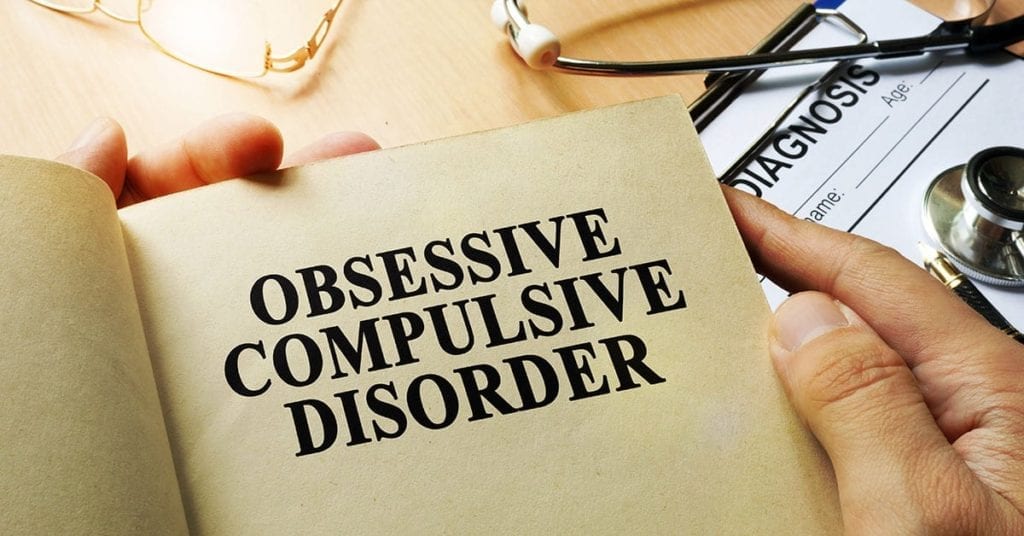
Common Myths of Obsessive Compulsive Disorder
According to the National Institute of Mental Health, obsessive Compulsive Disorder (OCD) is a chronic and long-lasting disorder in which a person has uncontrollable, recurring thoughts known as “obsessions” and/or behaviors that he/she feels the urge to repeat over and over, known as “compulsions.” These symptoms can interfere with all aspects of a person’s life…

Mental Health Tips for College Students
College is the first time most young people will live by themselves and experience true independence. The idea of no curfews, shorter class time and weekend parties may sound exciting, but more often than not, independence can be a daunting idea. When anxiety and the stress of growing up kicks in, it is important to…

Schizoaffective Disorder and Its Types
Schizoaffective disorder is a chronic mental condition that is defined by both psychotic symptoms, like delusions and hallucinations, and mood swings. There are two types of schizoaffective disorders, bipolar (or mixed type) and depressive (or mania type). Schizoaffective disorder is difficult to diagnose because it can often be mistaken for similar mental illnesses, such as…

When is it Time to See a Therapist?
There are times when you may feel overwhelmed by the world around you and that no one seems to understand. You may feel like a burden to family and friends because the problems seem to intensify instead of going away. There are times when speaking with a professional is the best course of action. A…

PTSD and Who It Can Affect
Life’s ups and downs can be more than a tad bit overwhelming when stress builds up around a certain event or situation. People are unique and handle stress in different ways, depending on a number of factors, such as past experiences, personality type, lifestyle, etc. PTSD, or post-traumatic stress disorder, as defined by the National…

5 Ways Social Media is Affecting Your Mental Health
Technology has opened countless doors to communication through a myriad of social sites referred to as social media. These various social platforms offer amazing benefits and opportunities for businesses, such as networking, marketing and finding new talent all at the touch of a button. Displaying a product or service using social campaigns can boost your…

The Barriers that Accompany Bipolar Disorder
Living day to day with bipolar disorder can be unbearable. Moment after moment, wondering which mood will come out next and how it will affect your day and interactions with those around you is exhausting. Spells of depression and lethargy claim any free time that may exist, and explaining how you feel to friends and…

Codependency: How it Affects Mental Health
Putting others’ needs before your own can be a positive quality, but how much of this seemingly harmless behavior is too much? People pleasing is one of many characteristics that can be observed in an individual suffering from codependency disorder. Control issues, low self-esteem, avoidance patterns and compliance patterns are a few additional identifying qualities.…

What is Eye Movement Desensitization and Reprocessing Therapy
Life presents us with some high-level emotional experiences along the journey from birth to adulthood. Trauma can occur if any of these experiences are deeply distressing or disturbing and if there was physical harm present or the threat thereof. It can be difficult to process trauma and move past the negative subconscious feelings associated with…