

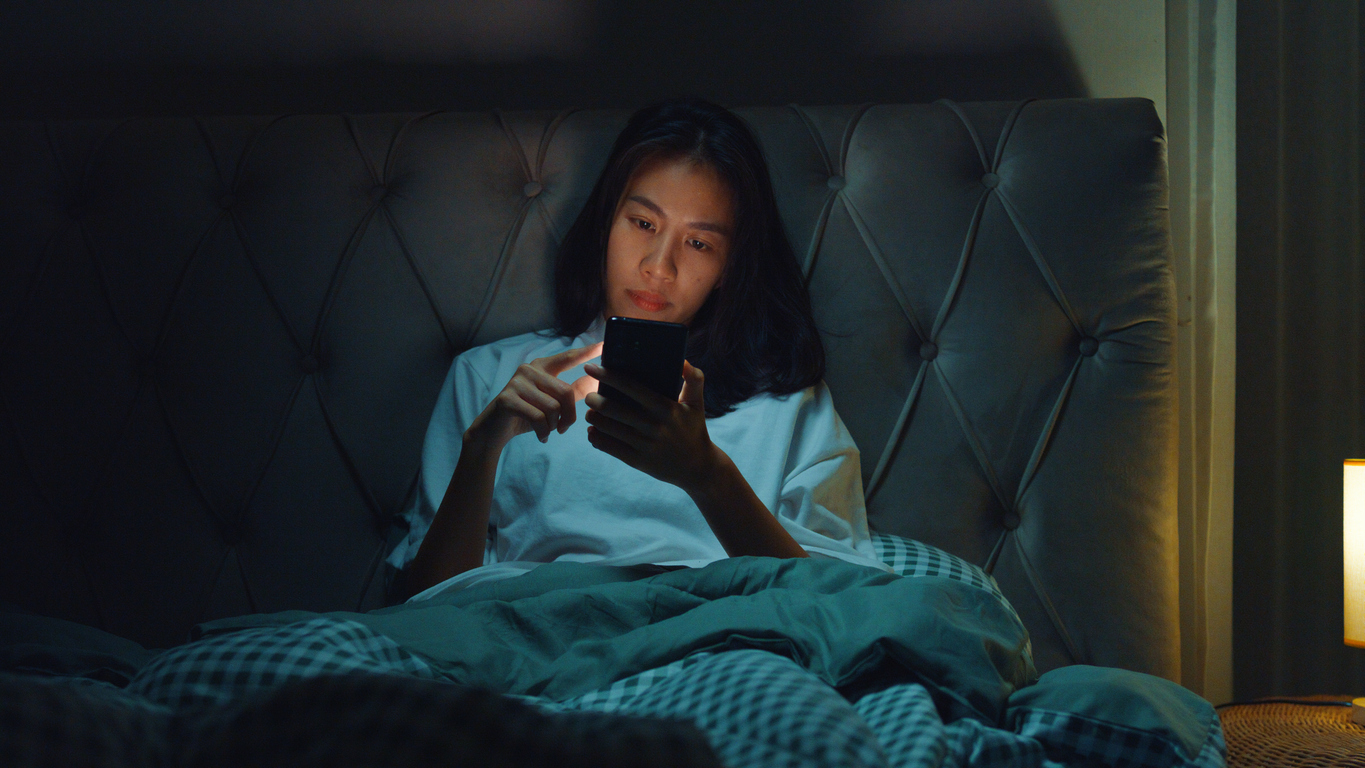
Social media has transformed how we access information about mental health. TikTok, with its short-form videos and massive reach, has become a hub for mental health content. Therapists, psychologists, and self-proclaimed mental health advocates share tips, explanations of disorders, and coping strategies—all in under 60 seconds. But while these videos can normalize mental health conversations, they also raise serious questions: Is TikTok therapy genuinely helpful, or could it be doing more harm than good?
The Appeal of Mental Health Content on TikTok
TikTok’s algorithm is designed to keep you scrolling, and mental health content is among its most popular categories. Videos explaining anxiety symptoms, ADHD traits, or depression warning signs rack up millions of views. For many people, especially younger users, these videos offer their first exposure to mental health terminology and concepts.
The appeal is understandable. Traditional therapy can be expensive, time-consuming, and difficult to access. TikTok, on the other hand, is free, immediate, and available 24/7. Creators often present complex psychological concepts in digestible, relatable ways. A 30-second video about overthinking might resonate more deeply than a textbook chapter on anxiety disorders.
Additionally, TikTok has helped reduce stigma around mental health. Seeing others openly discuss their struggles can make viewers feel less alone. It creates a sense of community and validation that many people desperately need, particularly if they’ve felt isolated or misunderstood in their offline lives.
The Benefits: Education and Awareness
There are genuine benefits to mental health content on TikTok. Licensed therapists and mental health professionals use the platform to share evidence-based information. These creators can help people recognize symptoms they might have been dismissing or ignoring. Someone watching a video about panic attacks might finally understand what they’ve been experiencing and feel motivated to seek professional help.
TikTok also democratizes mental health education. People who might never pick up a psychology book or attend a workshop can learn about cognitive distortions, grounding techniques, or the difference between sadness and clinical depression. For those who can’t afford therapy, these free resources can provide valuable coping tools and self-awareness.
The platform also helps people prepare for therapy. Learning common mental health terms and treatment approaches can make that first appointment less intimidating. When clients arrive at therapy with some baseline knowledge, they can engage more productively in their treatment from the start.
The Risks: Misinformation and Self-Diagnosis
Despite these benefits, TikTok therapy comes with significant risks. The most concerning is the spread of misinformation. Not everyone creating mental health content is qualified to do so. While some creators are licensed professionals, others have no formal training whatsoever. The platform doesn’t consistently distinguish between credible experts and well-meaning amateurs.
This lack of quality control can lead to dangerously inaccurate information. Viewers might receive oversimplified explanations of complex disorders, ineffective coping strategies, or even harmful advice. Because TikTok rewards engagement over accuracy, sensational or controversial content often gets more visibility than nuanced, evidence-based posts.
Self-diagnosis is another major concern. After watching a few videos, many users conclude they have specific mental health conditions without professional assessment. While self-awareness is valuable, self-diagnosis can be problematic. Many mental health symptoms overlap across different disorders, and accurate diagnosis requires comprehensive evaluation by a trained professional.
Some people use these self-diagnoses to excuse harmful behaviors or avoid accountability. Others might identify with symptoms that are actually normal human experiences, creating unnecessary anxiety about their mental health. The line between awareness and hypochondria becomes blurred when everyone starts seeing themselves in every symptom checklist.
The Problem with One-Size-Fits-All Advice
Mental health is deeply personal. What works for one person might be ineffective or even harmful for another. TikTok videos necessarily provide generalized advice to broad audiences. They can’t account for individual circumstances, co-occurring conditions, trauma histories, or personal strengths and limitations.
A breathing exercise that helps one person’s anxiety might feel impossible for someone else. A productivity tip for ADHD might worsen symptoms in someone with a different presentation of the disorder. Generic advice can’t replace individualized treatment plans developed through ongoing therapeutic relationships.
There’s also the risk of people using TikTok advice as a substitute for professional treatment rather than a supplement to it. Someone might watch videos about managing depression and believe they’re addressing their mental health needs without actually seeking the therapy or medication they might require.
The Algorithmic Echo Chamber
TikTok’s algorithm creates another layer of concern. The app shows you more of what you engage with. If you watch mental health content, you’ll see more mental health content. This can create an echo chamber where users are constantly exposed to content about psychological symptoms and disorders.
For some people, this constant exposure can increase anxiety and preoccupation with mental health. Rather than feeling better informed, they might feel overwhelmed or convinced they have multiple disorders. The algorithm doesn’t know when someone needs a break from heavy mental health content—it just keeps serving more of what you’ve watched.
Finding Balance: How to Use TikTok Mindfully
TikTok therapy doesn’t have to be all good or all bad. The key is using the platform mindfully and recognizing its limitations. Here are some guidelines:
Verify credentials. Follow creators who are licensed mental health professionals and clearly state their qualifications. Be skeptical of those who make dramatic claims or promise quick fixes.
Remember that videos aren’t diagnoses. If content resonates with you, use it as a starting point for conversation with a qualified professional, not as a conclusion about your mental health.
Balance your content diet. Don’t let your entire feed become mental health content. Mix in other interests to avoid becoming overwhelmed or overly focused on symptoms.
Recognize the difference between education and treatment. Learning about coping skills can be helpful, but it’s not the same as receiving personalized therapy.
Take breaks when needed. If mental health content is making you more anxious rather than less, step back and limit your exposure.
The Bottom Line
TikTok therapy exists in a gray area. It can reduce stigma, increase awareness, and provide accessible mental health education. For some people, it’s a valuable first step toward understanding themselves better and seeking professional help.
However, it’s not a replacement for actual therapy. The risks of misinformation, oversimplification, and self-diagnosis are real and can have serious consequences. TikTok is best used as one tool among many in supporting mental health—not as a primary source of treatment.
If you’re struggling with mental health concerns, TikTok can be a starting point, but it shouldn’t be the end point. Professional evaluation and treatment provide the personalized, comprehensive care that short videos simply cannot offer. The convenience and accessibility of social media mental health content is appealing, but nothing replaces the expertise and individualized attention of qualified mental health professionals who can truly get to know you and your unique situation.
At Advantage Mental Health Center, we understand that mental health information comes from many sources. We’re here to help you sort through what you’ve learned and develop a treatment plan that actually works for your specific needs. Whether you need psychiatric evaluation, medication management, or counseling, our team provides evidence-based care in a supportive environment. Contact us to schedule an appointment.
Sources:
Jain, L., Velez, L., Karlapati, S., Forand, M., Kannali, R., Yousaf, R. A., Ahmed, R., Sarfraz, Z., Sutter, P. A., Tallo, C. A., & Ahmed, S. (2025). Exploring Problematic TikTok Use and Mental Health Issues: A Systematic Review of Empirical Studies. Journal of primary care & community health, 16, 21501319251327303. https://doi.org/10.1177/21501319251327303